
“Clone app” and “custom app” get thrown around a lot, often as if they’re interchangeable. They’re not, and picking the wrong one can cost you months and a chunk of your budget. And if you’re deciding which path to take to build an app, it helps to understand the real difference between a clone app and a custom app.
Plus, keeping in mind the fact that the global mobile app market is projected to reach about $322.6 billion, per Grand View Research, making the right decision becomes even more important.
That being said, let’s understand the difference b/w both these approaches to app building plus some tips on how to know which one to go for.
But first… let’s start from the beginning:
What is a Clone App?
As the name itself says, a clone app is a duplicate of an existing app.
It replicates the features, qualities, and user interface of the actual application.
When companies aim to make money on the success of a popular app, they usually use this strategy.
In this case, you can come across numerous versions of well-known taxi apps or social networking sites. These clone apps aim to make a profit from tested ideas, helping businesses to easily enter the market.
As opposed to custom apps, clone app creation is typically quicker and less costly.
And although this could be an ideal option for new businesses, clone apps commonly lack originality and distinction.
What’s a Custom App?
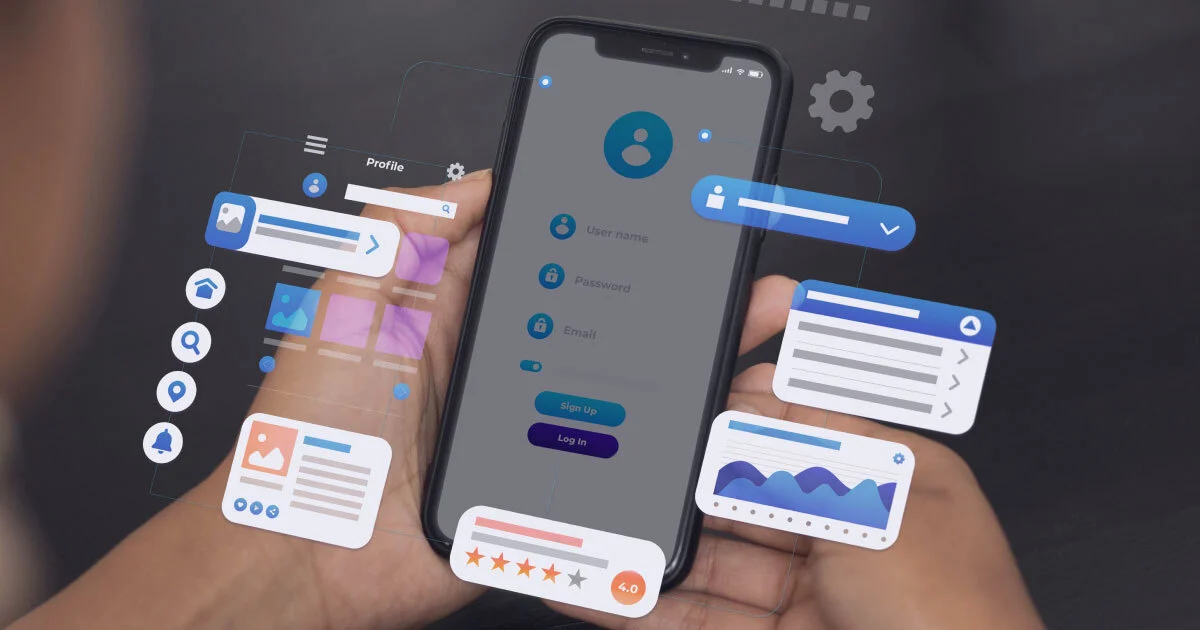
A custom app, on the other hand, meets a business’s specific needs. These applications are completely custom-built, with unique features and audience-specific design. Businesses are able to create a solution with custom apps that meets their unique needs and correctly represents their business identity. Building a custom app takes more time and money because every feature meets the customer’s needs.
However, the end result is an app that is different from the others on the market, with functionalities and an interface that clone apps can’t match.
Key Differences Between Clone App and Custom App
Development Approach
- Clone App: Using established structures and code that speed up and streamline the development process.
- Custom App: Requires careful planning and design, which calls for a complete understanding of what is required of the business.
Cost Factors
- Clone App: Typically more affordable, it is accessible to startups with limited budgets.
- Custom App: Generally requires a higher investment due to the complexity of development and the need for specialized skills.
Uniqueness and Brand Recognition
- Clone App: Lacks uniqueness, as it closely follows another app. This can lead to challenges in branding and market positioning.
- Custom App: Offers complete flexibility to create a unique identity and user experience that aligns with the business’s vision.
User Engagement
- Clone App: Because users might find it identical to other apps, it might not offer a compelling experience.
- Custom App: Built for your target audience with features that improve user satisfaction and engagement.
Ways for Scalability
- Clone App: The ability to scale and adapt to challenges could arise when the company expands and needs additional functions.
- Custom App: Designed to be scalable, it enables companies to add specifications and features as their needs change.
Market Efficiency
- Clone App: Faces strong competition because it might be difficult to stand out from the crowd when there are so many identical apps already available.
- Custom App: Provides the company a unique competitive edge and permits the development of new characteristics that address certain customer needs.
How to Choose Between a Clone and Custom App
When deciding what to choose b/w a clone or custom app, consider your business objectives, budget, trends, competitiveness and the market landscape. Clone apps may be the right choice for businesses looking for a quick and economical entry into the market, especially in industry where developed models expand. As opposed, if your business goal is to innovate and develop a strong brand visibility, investing in a custom app can generate essential long-term benefits.

Custom apps not only offer the chance to create a different and unique user experience but also open the chances for future growth and success.
Time to Market
Your app’s launch speed is one of the most important parts of app development. Here, clone apps are quite advantageous because they use already existing structures and code, which enables companies to launch effortlessly.
Developers may reduce the amount of time spent on writing and testing by duplicating the majority of the features. Because of this quick development process, businesses are able to grab new possibilities or patterns without having to wait months for a completely customized solution.
Custom apps take more time and cost more. And Building every feature from scratch makes development take longer.
But even though this approach takes longer, it assures that the final outcome is flawless and specifically suited to the needs of the business.
And… investing this extra time into a custom build is increasingly vital, as the global mobile app development market is projected to skyrocket from USD $391.3 billion in 2026 to over USD $860 billion by 2031, driven by the need for advanced 5G and AI integration.
Maintenance and Updates
Clone programs frequently have limits when it comes regarding maintenance and updates. This is because they use another project’s existing structure.
And… limited flexibility may stop the app from adapting to new technologies and market changes. Because of this, businesses could have to redesign the application or move to a specialized solution sooner rather than later.
On the other hand, businesses make custom apps so they can they’re flexible and can expand over time. Plus, the software can be easily updates and maintained cause the whole thing’s made especially for the company. Companies may quickly add new features, adjust to shifting market conditions, and make sure the app develops in connection with their expansion.
Because of this, custom apps are more long-lasting and have the capacity to innovate and improve continuously without facing difficulties.
Both types help to provide complete information on custom vs clone app. For businesses choosing an approach of action, it is providing a more clear perspective.
So… Which one to Go For?
In summary, knowing the clone and custom app differences can significantly impact your app development strategy. Whether you opt for a clone app or a custom app, ensure that it aligns with your overall business objectives and enhances your connection with your target audience.
Ultimately, the decision should reflect your vision for the app, the resources available, and the level of uniqueness you wish to achieve in the competitive digital landscape. For more details and guidelines visit vativeApps or contact us now.