

Today, when companies like Apple, Facebook, and Sony start showing interest and pouring money into developing AR apps, it’s a clear sign that the technology has enormous potential.
In fact, it’s not every day we come across technology that can transform marketing strategies and completely change how we interact with the world, whether we’re playing games, shopping, or exploring our surroundings in a whole new way.
What is Augmented Reality & AR Apps
Augmented Reality is a type of technology that overlays digital visuals and data onto the real, physical world. It is a transformative version of real-world applications made possible through modern advancements. An AR app integrates audio and visuals into a user’s actual field of vision. For example, an augmented reality application can place 2D or 3D objects into a captured real-world scene.
AR apps make it simple for users to point their phones and scan an item. AR technology, once seen as futuristic science, is now becoming commonplace in the market often in ways we don’t even realize.
Augmented Reality App Categories
AR mobile app development provides immersive experiences that enhance customer service and communication in innovative ways. These apps often utilize graphics, QR codes, and complex charts or diagrams.
By using GPS data and other modern features, AR app development continues to evolve. It now includes full-motion tracking of AR and VR environments, bringing major advantages to industries and virtual experiences.
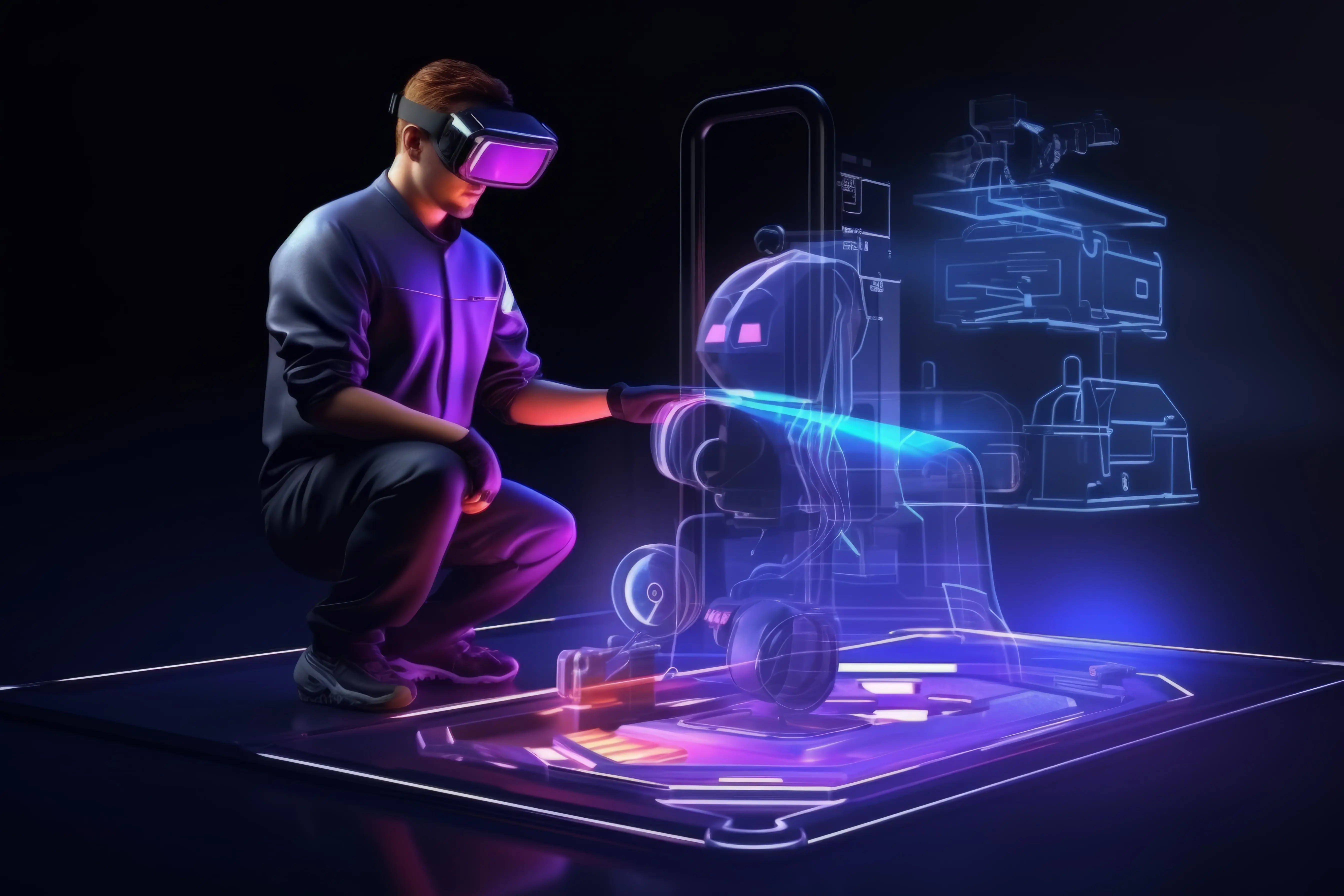
Market-Based Applications
These mobile apps recognize visual codes, covers, and virtual elements layered onto the real world. Customer experience across industries is greatly enhanced through AR app development, accurate tracking, and robust technologies.
GPS Data Apps
GPS data apps are a vital part of modern AR application development. They offer location-based AR experiences that deepen customer engagement with relevant content. Developing AR apps with GPS functionality is one of the most commendable innovations in this field.
To see how these innovations fit into the bigger picture, explore the top software development trends of 2026.
Gyroscope-Based Apps
These apps utilize gyroscopes to bring digital elements to life within a user’s physical environment. As a result, customers can experience products in real time as if they were physically present, making movement-based interaction much more realistic.

How to Build an Augmented Reality App
Because AR apps use a device’s camera to capture surroundings and integrate real-time features into that environment, AR app development allows users to visualize objects in realistic settings that create highly immersive experiences.
Additionally, developers build applications that are compatible with multiple devices including iPhones, Android phones, tablets, and smart glasses.
AR Application Development Tools
With the right tools, developers can build interactive applications that merge digital elements with the real world in real time. These tools are used across sectors like gaming, retail, fitness, and healthcare.
The AR development process increases audience engagement by integrating AI and machine learning. Let’s explore some key AR application development tools:
EasyAR
EasyAR is one of the simplest AR app development tools, offering powerful features on a budget. For developers on a budget, EasyAR is a great choice. It supports 3D tracking, localization, and mapping—enabling developers to build engaging experiences.
Vuforia
Vuforia sets high standards in AR app development with a wide range of features. It is a trusted and reliable platform for building professional-grade AR apps. Developers rely on it for its solid capabilities and consistent performance in the AR space.
Google ARCore
Google ARCore is designed to smoothly blend digital and real environments. Known for its motion tracking and spatial awareness, it’s a go-to solution for developers aiming to create immersive user experiences with advanced location features.
AR Foundation
AR Foundation is ideal for developers aiming for high-end AR experiences. Moreover, it supports advanced functionalities such as target tracking and precise mapping. With strong community support and resources, it helps developers refine and enhance their AR projects.
7 Apps Developed with AR Tools
1. Gaming Apps
Gaming is one of the most popular uses of AR technology as these apps use spatial mapping and character recognition for more immersive gameplay.
Pokémon Go is a prime example, where characters appear in the user’s real-world environment. Advanced AR games now include multiplayer features, AI-driven characters, and interactive experiences.
2. AR Navigation & Mapping Apps
AR navigation apps use geospatial data and real-world views to assist users with directions. Google Maps’ AR feature uses arrows placed in the real world, reducing confusion. Beyond street navigation, this technology’s also being used in malls, cinemas, and airports for easier navigation.

3. Social Media Apps
AR tools are used in social media to add filters, effects, and other interactive features. Platforms like Snapchat and Instagram allow users to apply AR overlays in photos and videos, enhancing user interaction and content sharing.
4. Healthcare Apps
AR is being utilized in the healthcare industry for training, diagnostics, and patient care.
As a result, both doctors and patients benefit from improved procedures, detailed analytics, and enhanced treatment tracking.
In addition, users can also locate medical facilities and track medical deliveries through AR healthcare apps.
5. Fitness Apps
Similarly, AR apps are revolutionizing the fitness industry by providing real-time feedback during workouts.
These apps include virtual trainers and gamified workouts to keep users motivated and engaged with their fitness goals.
6. Retail & E-Commerce Apps
AR is changing the way people shop online and in stores. Retailers now use AR applications to let customers try products before buying.
For example, users can see how furniture looks in their home or how clothes fit using their phone’s camera. This helps customers make better decisions and minimize returns.
E-commerce stores also use AR to show 3D views of products, giving a better feel than pictures alone.
Using AR doesn’t only establish trust, but increases sales, and improves the buyers’ overall shopping experience.
7. Education & Training Apps
Augmented reality is becoming a strong tool in education and professional training. Augmented reality apps make learning fun and engaging by showing 3D models and animations on top of real books, classrooms, or training materials.
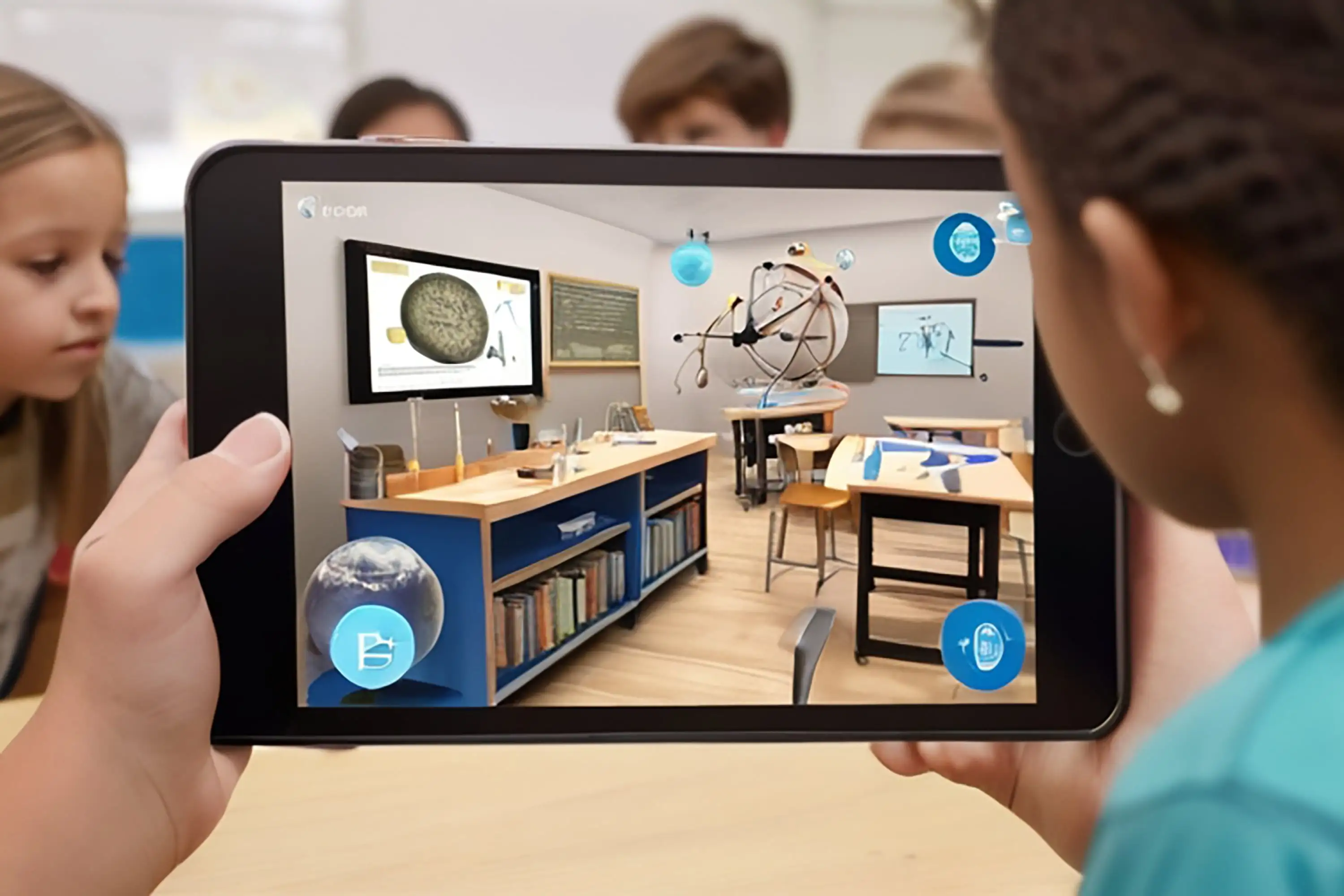
Students can explore topics like science, history, and math in a more engaging way. In workplaces too, AR helps train employees by simulating real-life tasks safely. From schools to industries, AR boosts learning and skill development through practical, hands-on experience.
Conclusion
AR app development tools are a rapidly growing technology that transform the way we experience the digital AND the physical world.
The five apps discussed above showcase the potential of AR reality, with each one highlighting innovation and scalability in AR development.
That’s why it’s important that developers and business owners explore the latest techniques and tools to drive future growth.